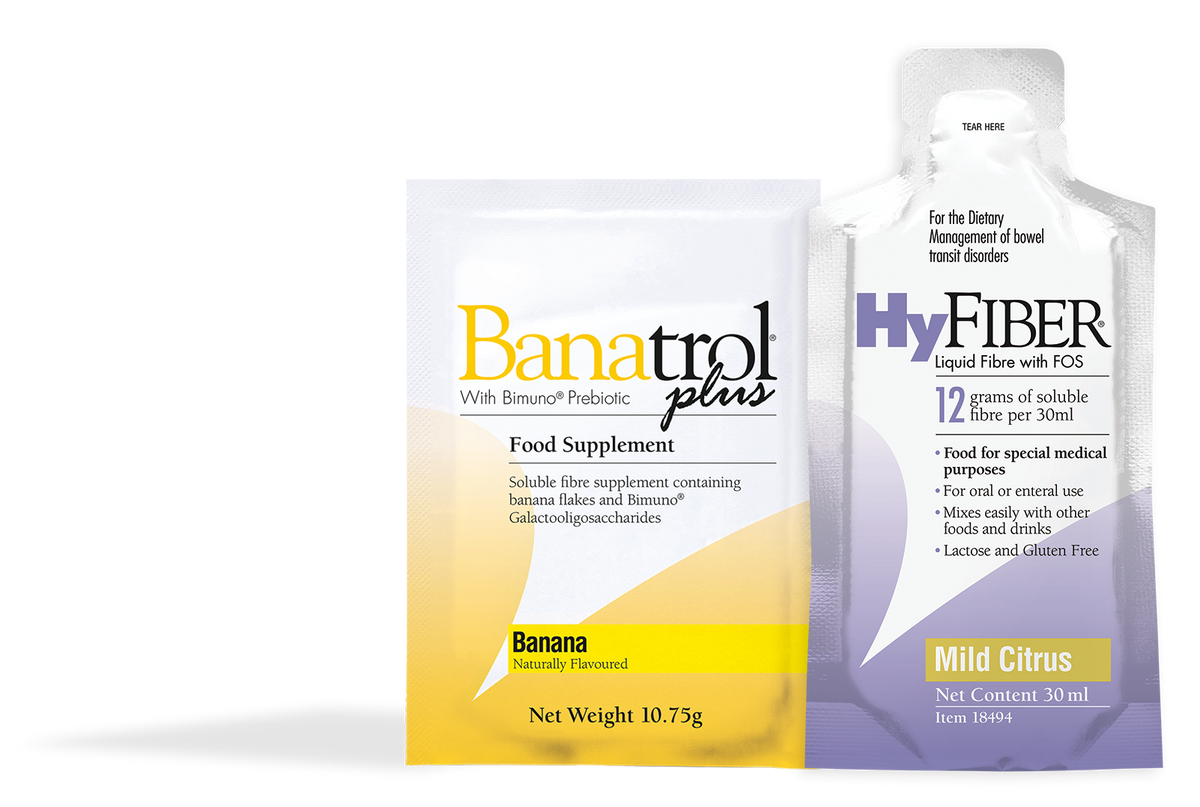
A guide to common digestive health concerns
Why digestive health matters.
Your digestive system breaks down food, absorbs nutrients, and removes waste. It’s normal to occasionally experience symptoms like bloating, pain, or changes in bowel habits.
Most digestive symptoms are mild and short-term, but understanding them can help you manage discomfort and know when to seek advice.
1. Constipation
What it is:
Constipation means having infrequent, difficult, or hard-to-pass bowel movements.
Common signs:
- Fewer than 3 bowel movements per week
- Hard or dry stools
- Straining or feeling “not finished”
Common causes:
- Low fibre intake
- Not drinking enough fluids
- Lack of movement
- Changes in routine or stress
Simple support:
- Eat more fibre-rich foods (fruit, veg, wholegrains)
- Drink plenty of water
- Stay active
2. Diarrhoea
What it is:
Diarrhoea is when stools are loose, watery, and more frequent than usual.
Common signs:
- Urgent need to use the toilet
- Stomach cramps
- Bloating or nausea
Common causes:
- Stomach bugs or food poisoning
- Stress or anxiety
- Food intolerances
- Certain medications
Simple support:
- Drink fluids to stay hydrated
- Eat bland foods (rice, toast, bananas)
- Rest and avoid heavy or fatty foods
3. Indigestion (Dyspepsia)
What it is:
Indigestion is a term used for discomfort in the upper stomach, especially after eating. It’s often described as fullness, burning, or bloating.
Common signs:
- Feeling overly full after meals
- Upper abdominal discomfort
- Belching or nausea
Common causes:
- Eating too quickly or too much
- Rich, fatty, or spicy foods
- Alcohol, caffeine, or stress
Simple support:
- Eat smaller, slower meals
- Avoid trigger foods
- Don’t lie down immediately after eating
4. Acid Reflux / Heartburn
What it is:
Acid reflux happens when stomach acid moves up into the food pipe, causing irritation.
Common signs:
- Burning feeling in chest or throat
- Sour taste in the mouth
- Burping or discomfort after meals
Common causes:
- Large or fatty meals
- Lying down after eating
- Tight clothing around the waist
Simple support:
- Eat smaller meals
- Avoid late-night eating
- Raise the head of the bed if symptoms occur at night
5. Bloating & Excess Gas
What it is:
Bloating is a feeling of tightness, fullness, or swelling in the abdomen, often linked with gas.
Common signs:
- Swollen or “tight” stomach
- Burping or passing wind
- Discomfort after eating
Common causes:
- Eating too quickly
- High-fibre foods introduced too fast
- Fizzy drinks
- Gut bacteria fermentation
Simple support:
- Eat slowly and chew well
- Reduce fizzy drinks
- Identify trigger foods
6. Irritable Bowel Syndrome (IBS)
What it is:
IBS is a common gut sensitivity condition that affects how the bowel works, causing recurring symptoms.
Common signs:
- Abdominal pain or cramps
- Bloating
- Constipation, diarrhoea, or both
- Symptoms that come and go
Common triggers:
- Certain foods (fatty, spicy, or high-FODMAP foods)
- Stress or anxiety
- Hormonal changes
Simple support:
- Regular meals
- Balanced fibre intake
- Stress management
- Identifying personal triggers
7. Food Intolerances & Sensitivities
What it is:
Some people react to certain foods without a true allergy.
Common signs:
- Bloating or gas after eating certain foods
- Diarrhoea or stomach discomfort
- Symptoms that repeat with specific foods
Common examples:
- Lactose (dairy)
- Gluten-containing foods (in some people)
- Certain high-fibre or fermentable foods
Simple support:
- Keep a food and symptom diary
- Try eliminating suspected foods one at a time
- Seek advice if symptoms persist
8. When symptoms overlap
It’s common for digestive symptoms to appear together, such as:
- Bloating with constipation
- Diarrhoea with cramps
- Indigestion with reflux
This can be influenced by diet, stress, gut sensitivity, or underlying conditions like IBS.
Everyday tips for better digestive health:
- Eat a balanced diet rich in fibre
- Drink enough water
- Move your body regularly
- Eat slowly and mindfully
- Manage stress where possible
- Pay attention to food triggers
The bottom line.
Digestive symptoms are very common and often linked to everyday habits. Most improve with simple lifestyle changes, but ongoing or severe symptoms should be checked by a healthcare professional.