A simple guide to fibre for everyday health
What is fibre?
Fibre is a type of carbohydrate found in plant foods — but unlike sugar or starch, your body can't fully digest it. Instead, it passes through your gut and helps keep things working as they should.
Think of fibre as a crucial 'helper' for your digestive system — it supports gut health, keeps you regular, and feeds the good bacteria in your gut.
Why fibre matters.
Eating enough fibre is linked to a wide range of health benefits:
- Helps prevent constipation and keeps digestion smooth
- Supports heart health and promotes good mental health
- Helps control blood sugar levels
- Keeps you fuller for longer (helpful for weight management)
- May reduce the risk of diseases like type 2 diabetes and bowel cancer
Most people don’t get enough fibre, even though it’s essential for long-term health. The daily recommended fibre requirement is 30g a day, but most of us only consume around 18g a day.
Types of fibre.
You don’t need to know the molecular chemistry, but it helps to know there are two main types:
1. Soluble fibre
- Dissolves in water to form a gel
- Helps lower cholesterol and control blood sugar
- Feeds “good” gut bacteria
Found in: oats, beans, lentils, fruit, seeds
2. Insoluble fibre
- Doesn’t dissolve in water
- Adds bulk to your stool and helps food move through your gut
Found in: whole grains, nuts, vegetables
Most plant foods contain a mix of both and that’s exactly what your body needs.
How much fibre do you need?
In the UK, adults are generally advised to aim for about 30 grams per day, but many people fall short — often getting much less than this, averaging only around 18g a day.
Easy ways to eat more fibre.
You don't need a complete diet overhaul — often small changes make a big difference.
- Swap white bread, rice, or pasta for wholegrain versions
- Add beans or lentils to meals (soups, salads, curries)
- Snack on fruit, nuts, or seeds
- Include vegetables with every meal
- Try oats or high-fibre cereals for breakfast
A quick example day.
Here’s how fibre can soon add up:
- Breakfast: porridge with berries
- Lunch: wholegrain sandwich + salad
- Snack: apple + handful of nuts
- Dinner: vegetables + brown rice + beans or lentils
Top fibre tips
-
Increase fibre gradually — adding too much too quickly can cause bloating
-
Drink plenty of water — fibre works best when you're hydrated
- Aim for a variety of plant foods, not just one source
-
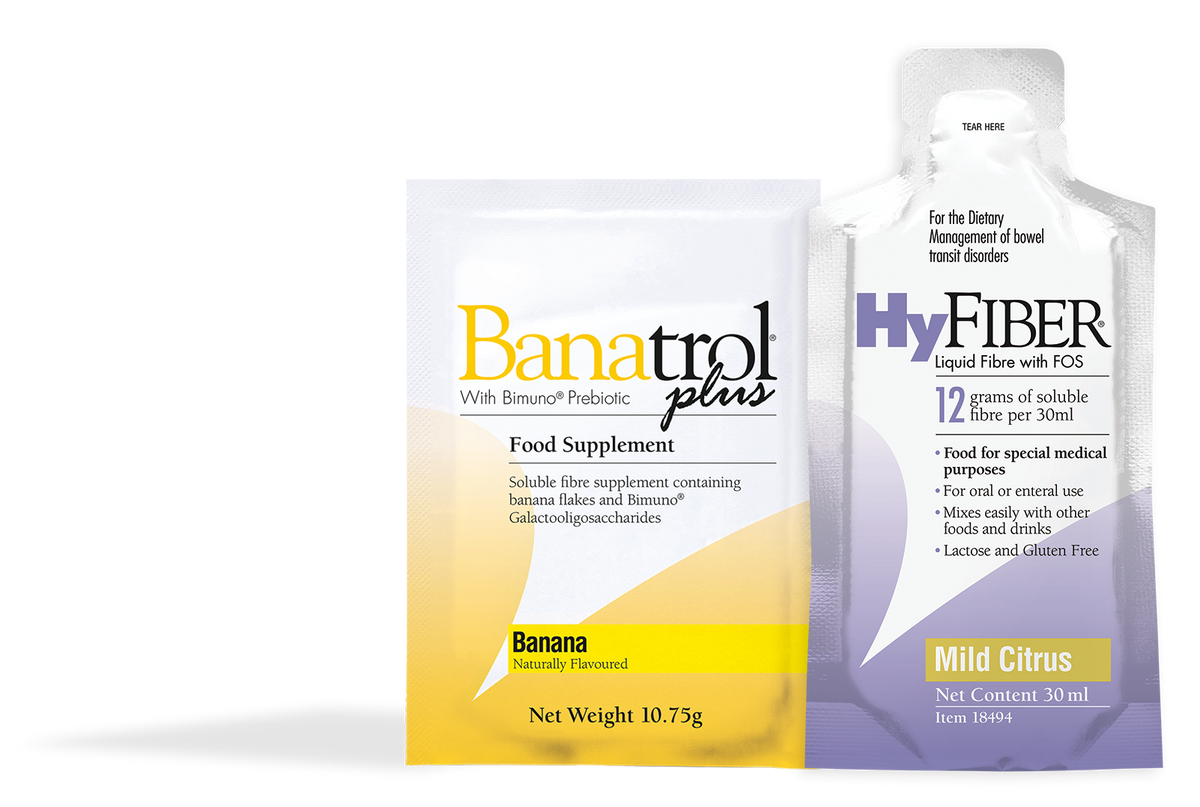
Consider a quality high-fibre supplement if you are struggling to meet your daily needs
The bottom line
Fibre isn't just about digestion — it supports your overall health, from your gut to your heart. If you need a fibre boost to help you meet your health goals, take a look at our specially formulated gut-health products.